Detailed View: IVDD in Dogs
Intervertebral Disc Disease (IVDD) is a condition where the cushioning discs between the vertebrae of the spinal cord either bulge or burst into the spinal cord space. This matters because it can lead to severe pain, nerve damage, and loss of limb function. Understanding this condition is critical for timely intervention, as prompt treatment often determines the success of your dog's recovery journey.
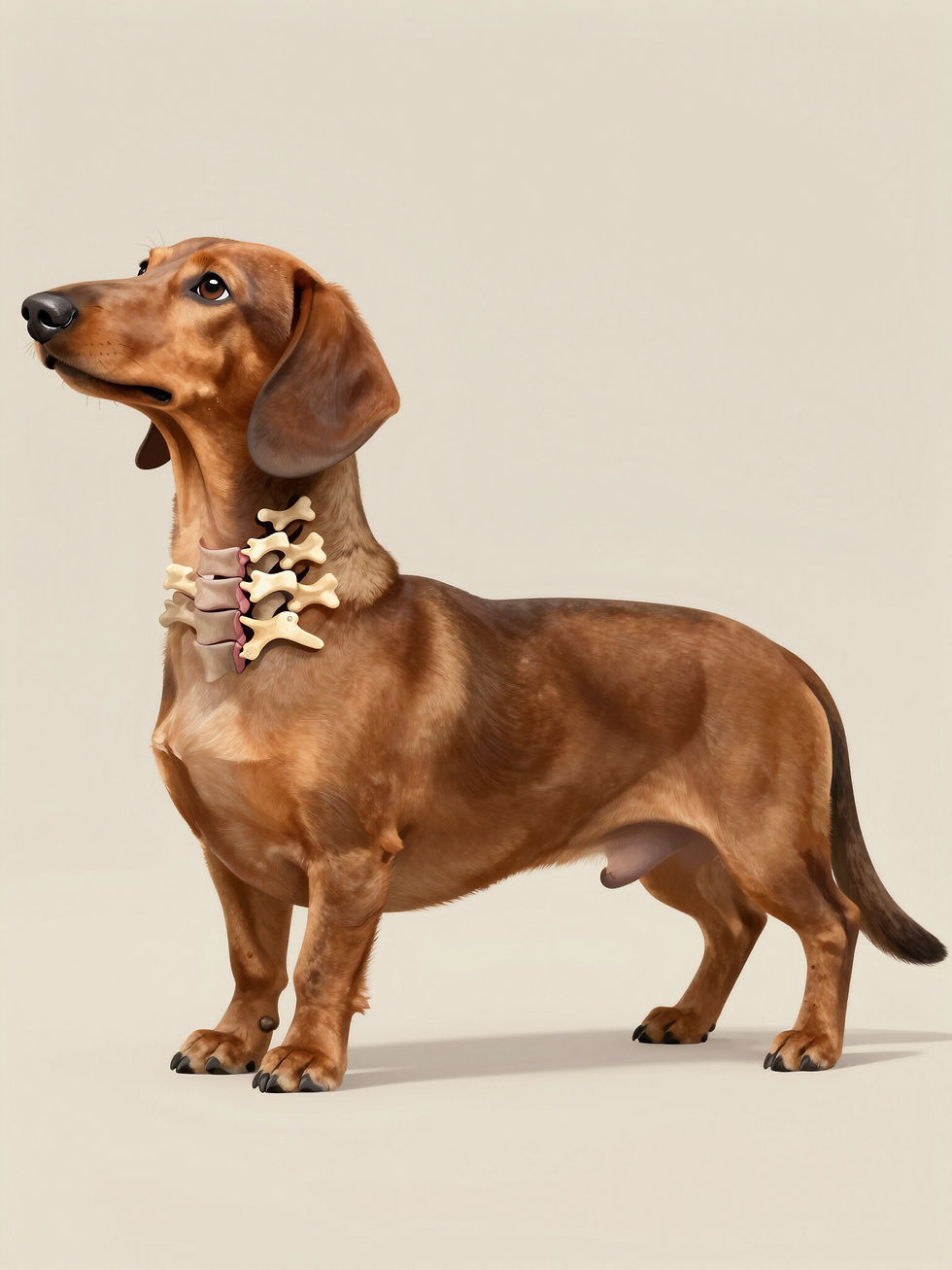

What is the Intervertebral Disc?
Think of intervertebral discs as shock absorbers for the spine. Each disc has a jelly-like center (nucleus pulposus) surrounded by a tough outer layer (annulus fibrosus). They provide flexibility and protection to the delicate spinal cord as your dog moves, jumps, and plays. When these 'shock absorbers' fail, it creates pressure on the nerves, leading to the symptoms seen in IVDD.
Hansen Type I vs. Type II
Causes and At-Risk Breeds
- Hansen Type I: Common in 'long and low' breeds. It involves a sudden rupture or 'explosion' of the disc material, usually occurring acutely with high intensity of pain.
- Hansen Type II: Typically seen in older large breeds. This is a gradual bulging of the disc over time, resulting in slow-onset mobility issues and chronic discomfort.
IVDD is primarily caused by genetic disc degeneration, though age and physical strain can trigger an event. At-risk breeds include Dachshunds, Corgis, Beagles, French Bulldogs, and Labradors. Obesity and sudden impactful movements are major risk factors that can exacerbate a predisposed condition.
Recognizing the Symptoms
Early Signs: Reluctance to jump or climb stairs, a hunched back, shivering or shaking (due to pain), and sensitivity when being touched in the neck or back area.
Progressing Signs: 'Knuckling over' on paws (walking on tops of feet), weakness in the hind legs, unsteadiness or wobbly gait ('drunk' walking), and crossing of hind legs.
Severe Signs: Inability to stand or walk, paralysis, incontinence, and loss of deep pain sensation. These symptoms require immediate veterinary consultation.
Your dog can improve and regain their joy. We are here to support their healing and your peace of mind. Reach out to start their recovery journey.
Detailed View: CCL Tears in Dogs
The Cranial Cruciate Ligament (CCL) is the equivalent of the human ACL and is primarily responsible for stabilizing the knee joint (stifle) in dogs. A CCL tear occurs when the ligament is partially or completely ruptured, leading to pain, knee instability, and rapid onset of osteoarthritis. This is one of the most common orthopedic injuries in dogs, often occurring through gradual degeneration rather than a single sudden movement.


Signs and Symptoms
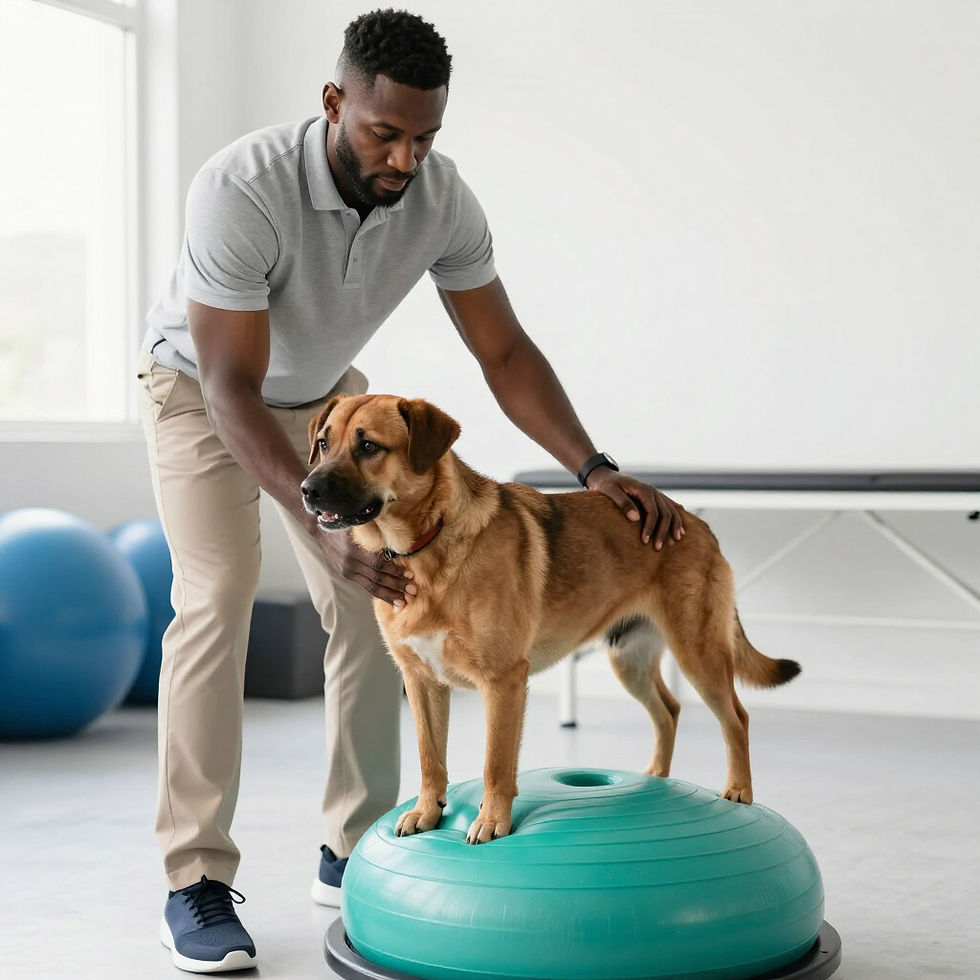

- Sudden lameness or 'holding up' the hind leg
- Stiffness, especially after rest or exercise
- Swelling on the inside of the knee (medial buttress)
- Clicking sound when the dog walks
- Difficulty rising from a seated or lying position
- Muscle atrophy (thinning) in the affected hind leg
Causes and Risk Factors
Prone Breeds and Types
The main cause is progressive degeneration of the ligament due to age, genetics, or conformation. Unlike humans, dogs rarely tear an ACL through trauma alone. Key risk factors include obesity (adding strain), metabolic disorders, and 'weekend warrior' syndrome—high activity after long periods of rest.
While any dog can be affected, certain breeds are genetically predisposed due to their limb conformation. Commonly affected: Labradors, Rottweilers, Golden Retrievers, German Shepherds, and Newfoundlands. High-energy active breeds and overweight senior dogs are also at significantly higher risk.
Extended Symptom Profile & Care
Beyond initial limping, dogs with CCL tears often develop the 'sit sign,' where they sit with the affected leg kicked out to the side rather than tucked underneath. You may also notice a thickening of the joint (medial buttress) as the body tries to stabilize the injury with scar tissue. Timely physical therapy is critical to prevent the 40-60% chance of the other knee tearing due to compensation.
Whether you are considering conservative management or preparing for post-surgical rehab, our targeted exercises and pain relief modalities are designed to restore stifle stability and help your dog return to a pain-free, active life.
If your dog is struggling with knee instability, we are here to provide clear guidance and hopeful solutions. Contact us to fill out our inquiry form today.
Detailed View: Hip Dysplasia in Dogs
Canine Hip Dysplasia is a common skeletal condition where the ball and socket of the hip joint do not fit together perfectly, leading to grinding instead of sliding. Physical therapy plays a vital role in managing this condition by strengthening the supporting muscles, improving range of motion, and significantly reducing discomfort. With the right therapeutic plan, your dog can maintain an active and happy lifestyle.


Classification of Stages
- Mild: Slight irregularity in the joint fit; often manageable with weight control and moderate exercise.
- Moderate: Significant joint laxity and early signs of degenerative changes; requires structured therapy.
- Severe: Complete joint mismatch with prominent osteoarthritis; intensive rehabilitation or surgical consultation is often necessary.
Causes & Risk Factors
At-Risk Breeds
Hip Dysplasia is primarily a hereditary condition, influenced by a dog's genetic makeup. However, external factors like rapid growth during puppyhood, excessive weight, and improper nutrition can significantly aggravate the joint development. Maintaining a healthy body weight is one of the most effective ways to slow the progression of the disease.
Large and giant breeds are most commonly affected due to their rapid physical growth. Breeds such as Golden Retrievers, German Shepherds, Great Danes, Saint Bernards, and Old English Sheepdogs are notably at risk. Early screening is recommended for these breeds to establish a baseline for lifelong joint health and proactive care.
Structured Symptoms Checklist
Common Indicators: Decreased range of motion in the hip, 'bunny hopping' gait, difficulty rising from a lying position, and a loss of muscle mass in the thigh area. You might also notice a grating sensation in the joint during movement.
The key to successful management is early detection. Even if your dog seems hopeful and active, subtle changes in their movement can signal the onset of dysplasia. Our team is dedicated to providing educational support and tangible solutions to keep your pet moving without pain. Don't wait for the symptoms to worsen.
Is your dog showing signs of hip discomfort? Reach out today to start a hopeful journey toward therapy and healing.
Detailed View: Arthritis in Dogs
Like humans, many dogs develop arthritis as they age or following a joint injury. It is a chronic condition characterized by the inflammation of one or more joints, leading to pain and stiffness. While it cannot be 'cured', it can be managed exceptionally well through a multimodal approach, focusing on weight management, pain relief, and targeted physical therapy routines that preserve joint function.


What If My Dog Is Not Very Active?
Even if your dog prefers the couch to the catch, movement is medicine for arthritic joints. Inactivity actually causes joints to stiffen further and muscles to waste away (atrophy), making the pain worse. We specialize in low-impact activity modification that respects your dog's current energy level while ensuring they get the necessary movement to keep their joints lubricated and comfortable.

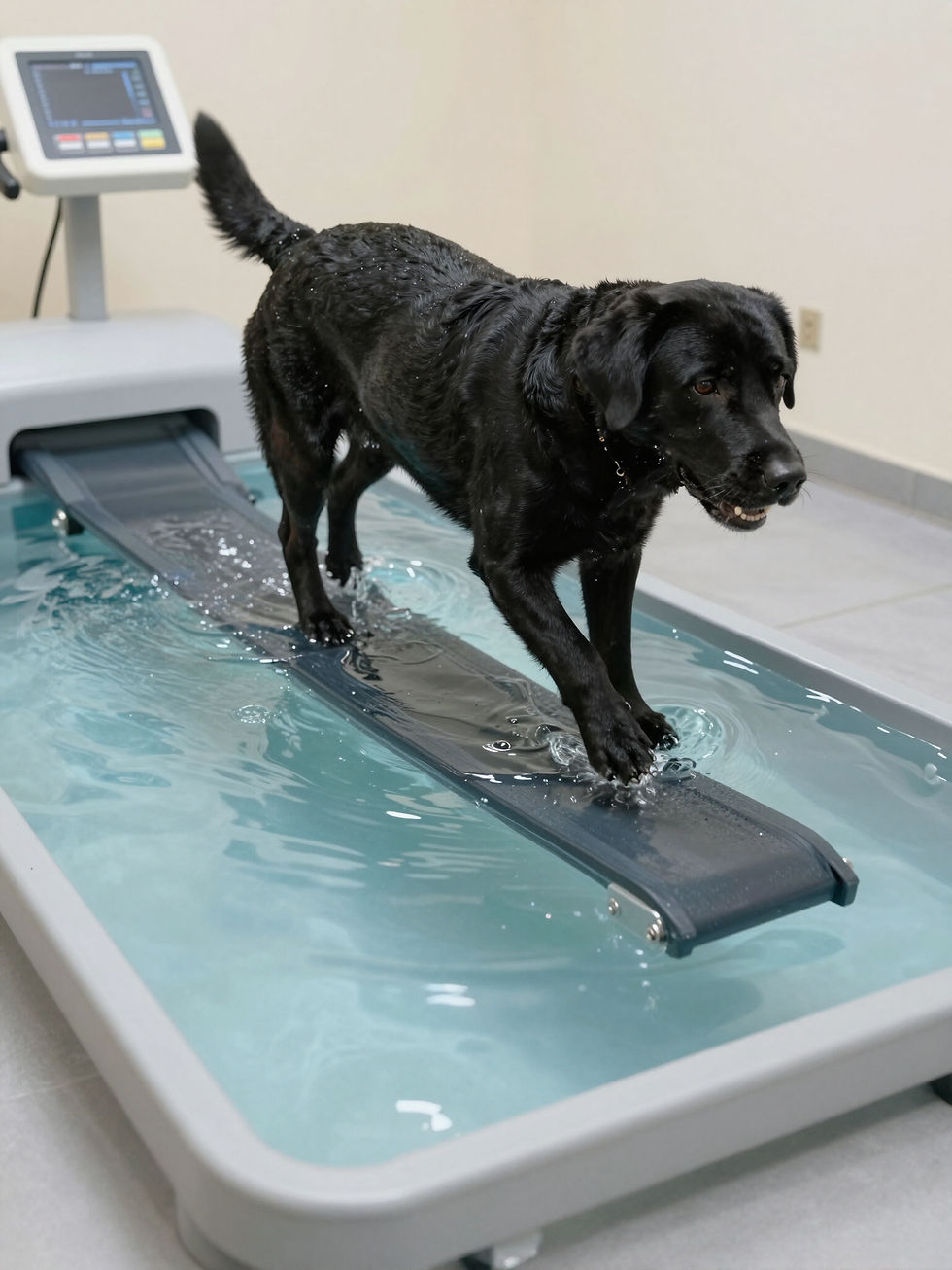
Dog Arthritis and Physical Therapy
Physical therapy is a game-changer for arthritic dogs. It goes beyond simple exercise to include manual therapy, laser treatment for inflammation, and specific strengthening protocols. By addressing the soft tissues around the joints, we can reduce compensation pain and improve overall stability, giving your senior dog a meaningful boost in quality of life.
Restore Their Joy of Movement
Aging shouldn't have to mean living in pain. Our personalized protocols are designed to keep your pet strong, supple, and happy in their golden years. Every small step counts towards a bigger, better walk.
We are dedicated to helping your dog regain their spirit. Contact us today or fill out our inquiry form to discuss a customized rehabilitation plan for your pup.
If your dog is showing signs of slowing down from arthritis, we are here to provide clear guidance and hopeful solutions. Contact us to fill out our inquiry form today.
Healing Hounds PT
Empowering your canine companions with customized mobile physical therapy to relieve pain and restore joyful mobility in the comfort of your home.